
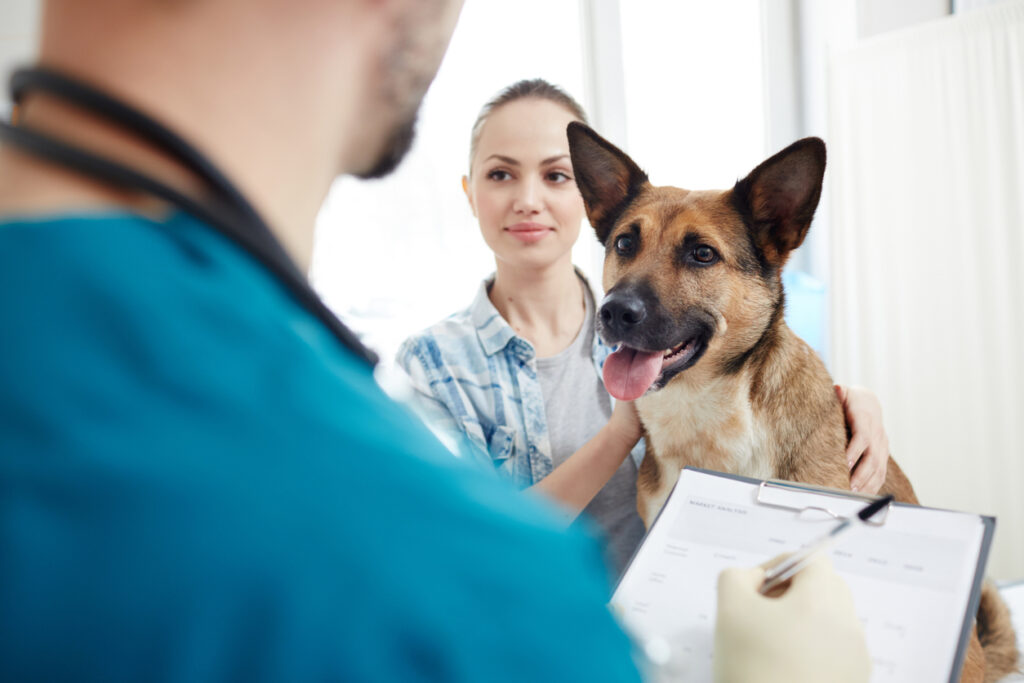
The Importance of Veterinary Professional Liability Insurance
Veterinarians work hard to deliver excellent care. However, even when following proper procedures, unexpected outcomes happen. A pet owner may believe their animal was harmed by treatment. A miscommunication about a procedure’s risks can become a legal dispute. Poor record-keeping can trigger a negligence allegation.
In each of these situations, Veterinary Professional Liability Insurance serves as the financial and legal safety net between the claim and the veterinarian’s personal finances and career. This guide covers what the coverage includes, why veterinarians need it, and what to look for when selecting a policy.
What Is Veterinary Professional Liability Insurance?
Veterinary Professional Liability Insurance — also called veterinary malpractice insurance — protects veterinarians from claims that arise directly from their professional services. It covers the cost of defending against allegations of negligence, errors, or mistakes made during diagnosis, treatment, surgery, or care.
This type of coverage falls under the broader category of professional liability insurance, sometimes called errors and omissions (E&O) insurance. According to the Insurance Information Institute, professional liability policies cover financial losses resulting from professional mistakes or failures to perform, including legal defense costs regardless of whether the claim has merit.
General liability insurance, by contrast, covers bodily injury and property damage claims unrelated to the professional service itself. Both types of coverage serve a distinct purpose. Furthermore, veterinarians typically need both to be fully protected.
Why Veterinarians Face Significant Legal Exposure
Veterinary medicine involves complex decisions made under time pressure, often with incomplete information about a patient’s history. Animals cannot communicate symptoms clearly. Treatments carry inherent risks. Outcomes are not always predictable, even with excellent care.
These realities create a profession with meaningful legal exposure. Consider some common claim scenarios:
Adverse Reactions and Surgical Complications
Animals can respond unexpectedly to medications, anesthesia, or surgical procedures. Even when a veterinarian follows best practices, a negative outcome may lead a pet owner to file a negligence claim. Defending that claim — even successfully — is expensive.
Misdiagnosis or Delayed Diagnosis
Diagnostic errors are among the most common sources of professional liability claims across medical fields. If a condition is missed or incorrectly identified, and the animal’s health worsens as a result, the owner may pursue legal action against the treating veterinarian.
Documentation and Communication Failures
Errors in medical recordkeeping — incomplete treatment notes, missing consent forms, or inadequate documentation of a diagnosis — can create liability exposure. In addition, failing to clearly communicate the risks of a procedure or the prognosis of a condition can lead to legal claims if the outcome differs from what the owner expected.
Boarding and Animal Handling Incidents
Veterinary practices that offer boarding, grooming, or daycare services face additional exposure. An animal that is injured while in the practice’s care can generate liability claims that go beyond the professional services context. Moreover, a client bitten or injured by an animal on the premises creates a separate premises liability exposure.
What Veterinary Professional Liability Insurance Covers
Policies vary by carrier and coverage level. However, most Veterinary Professional Liability Insurance policies include the following core protections:
- Legal defense costs — attorney fees, expert witness costs, court filing fees, and related legal expenses, regardless of whether the claim has merit
- Settlements and judgments — financial awards or negotiated settlements if the case resolves in the claimant’s favor
- Disciplinary and licensing defense — coverage for defense costs if a client files a complaint with the state veterinary licensing board, which can trigger an investigation independent of any civil lawsuit
- Claims involving employees — in a practice with multiple veterinarians, technicians, or staff, coverage may extend to claims arising from the actions of other team members acting under the practice’s supervision
Some policies also extend to telemedicine consultations. As virtual veterinary services become more common, verifying that a policy covers remote consultations is increasingly important.
The Real Cost of Going Without Coverage
Legal defense is expensive, even for claims that never reach a verdict. According to the American Veterinary Medical Association, the cost of defending a professional liability claim can reach tens of thousands of dollars before any judgment is entered. Settlements, when they occur, often run higher.
For a veterinarian in private practice, those costs come directly out of the business or personal finances without insurance. Furthermore, a licensing board investigation — even one that results in no disciplinary action — requires legal representation and documentation that carries its own cost.
In contrast, Veterinary Professional Liability Insurance transfers those costs to the insurer. The premium paid annually is typically a fraction of the cost of a single defended claim.
Coverage Considerations for Veterinary Practices in Oklahoma
Oklahoma veterinarians operate under the oversight of the Oklahoma Board of Veterinary Medical Examiners, which licenses veterinarians and has the authority to investigate complaints and impose disciplinary actions. A complaint to the board — whether filed alongside a civil claim or independently — requires a separate response and legal defense.
Veterinary practices in Oklahoma also face general business liability exposure. Client injuries on the premises, damage to client property, and claims unrelated to professional services all require general liability coverage in addition to professional liability. Together, these policies provide comprehensive protection for the practice and the individuals working within it.
Rich & Cartmill’s professional liability coverage is available to veterinarians and veterinary practices in Oklahoma and across the region. As an independent agency, R&C works with multiple carriers to match coverage to the specific needs of each practice.
What to Look for in a Veterinary Professional Liability Policy
Not all policies provide the same level of protection. When evaluating coverage options, veterinarians should consider the following:
- Claims-made vs. occurrence coverage — claims-made policies cover claims filed while the policy is active; occurrence policies cover incidents that happen during the policy period regardless of when the claim is filed. Understanding the difference is essential when switching carriers or retiring.
- Tail coverage — if you carry a claims-made policy and leave a practice or retire, tail coverage extends protection for claims filed after the policy ends but related to services provided while it was active
- Coverage limits — verify that per-claim and aggregate limits are sufficient for the size and scope of your practice
- Licensing board defense — confirm that the policy includes coverage for disciplinary proceedings, not just civil claims
- Employee and associate coverage — for practices with multiple veterinarians or technicians, confirm how coverage applies to each individual
Speak with Rich & Cartmill About Veterinary Liability Coverage
Rich & Cartmill Insurance has served veterinarians and veterinary practices across Oklahoma since 1922. As one of the largest privately-held Trusted Choice® independent agencies in the country, R&C provides access to multiple carriers and builds coverage programs tailored to the specific risks of each practice.
Whether you operate a solo practice, a multi-veterinarian clinic, or a specialty animal hospital, having the right Veterinary Professional Liability Insurance in place protects your career, your finances, and your practice’s reputation.
Contact Rich & Cartmill to speak with a licensed agent about coverage options for your veterinary practice. Offices are located in Oklahoma City and Tulsa, with additional locations in Olathe, KS and Ozark, MO.
Coverage specifics vary by policy and provider. Consult a licensed insurance professional for guidance specific to your practice.
Author: Ryan Teubner, VP